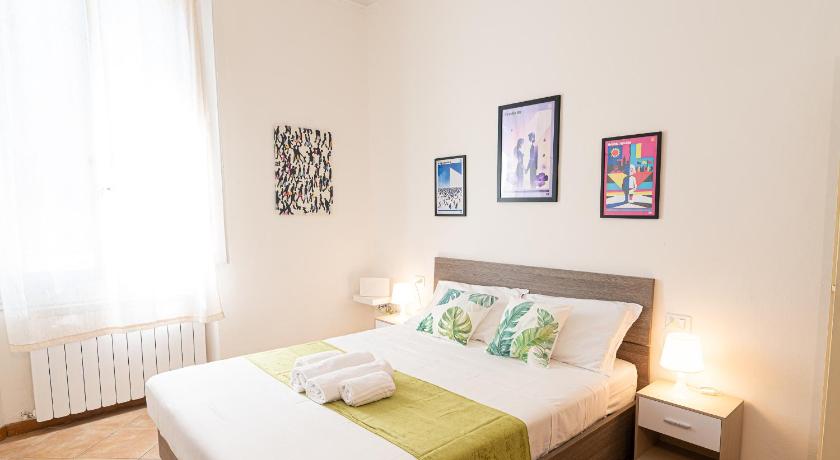
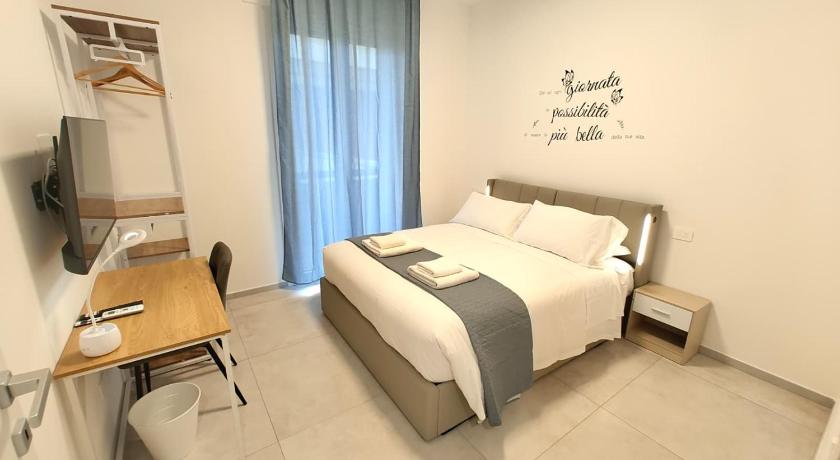
The first sign that the trip had an unusual energy came before the plane even touched down. A visitor, riding the high of a long-desired sports victory, stepped into Venice’s labyrinth of canals with an optimism that bordered on electric. According to data aggregated from traveler forums and accommodation reviews, this state of mind—rarely captured in guidebooks—can dramatically shape the way a city unfolds.
Venice, as any review analysis quickly reveals, divides opinion. Some find it too crowded, too expensive, too much a stage set. Yet those who arrive after a personal victory—whether a job promotion, a graduation, or a football club finally lifting a trophy—tend to report a strikingly different experience. The narrow alleyways feel like secrets rather than bottlenecks. The omnipresent clatter of suitcase wheels becomes a soundtrack of adventure rather than irritation.
Accommodation data suggests that visitors who book during late spring—May and early June—enjoy the best balance of weather and manageable crowds. At the time of writing, typical rates for a mid-range room near the Rialto hover around €150–€200 per night. But feedback on booking platforms consistently points out that the real value lies not in the room itself but in the moments that spill out onto the street: a coffee taken standing at a canal-side bar, the taste of a tramezzino eaten as a gondola glides past.
What sets an emotionally charged visit apart, based on recurring themes in traveler feedback, is the willingness to wander without a map. The usual checklist—Saint Mark’s Basilica, the Doge’s Palace, a ride down the Grand Canal—remains essential. But visitors who arrive in a celebratory mood often find themselves lingering in the less trampled sestieri: Cann