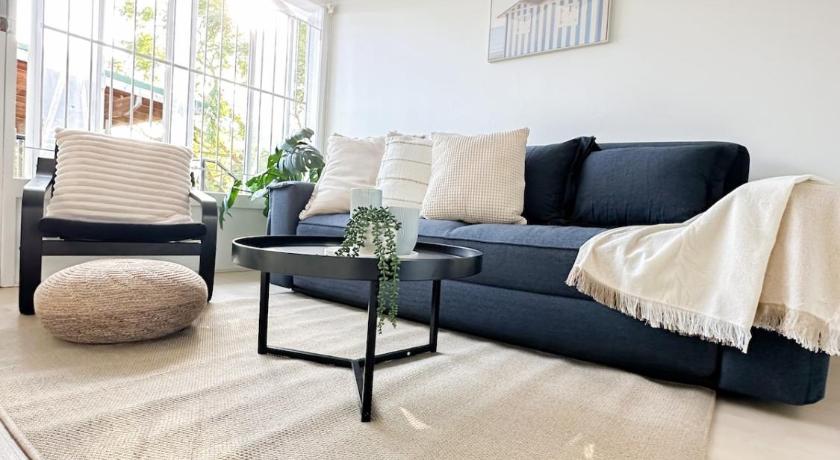
The early morning light filters through the balcony rail of a fifth‑floor flat, casting a soft glow over the city’s skyline. From this height, the hum of traffic fades, and the occasional chirp of a cricket becomes a distant echo rather than a bedroom intruder. Travelers who arrive with a pronounced aversion to crawling creatures often find that elevation alone reduces the likelihood of unwelcome encounters.
Melbourne’s temperate climate encourages a modest population of spiders, cockroaches, and crickets, especially during the warmer months of November to February. Yet the city’s modern apartment blocks are designed with sealed windows and insulated walls, creating a barrier that many insects struggle to breach. Visitors who prioritize a sealed environment can further diminish risk by ensuring that all window screens are intact and that any balcony doors are fitted with weather‑stripping. A quick visual inspection upon arrival—looking for torn mesh or gaps—can prevent a single spider from slipping through unnoticed.
Practical tip one focuses on bedding placement. Positioning the mattress away from exterior walls reduces the chance of insects crawling up from hidden cracks. A thin layer of a breathable mattress cover adds an extra shield, while keeping night‑time lighting low discourages nocturnal insects that are attracted to bright sources. Travelers who prefer a scent‑free environment might consider a few drops of eucalyptus or tea‑tree oil on a cotton ball placed near the headboard; the natural aroma acts as a mild deterrent without overwhelming the senses.
The second tip addresses food storage. Insects are drawn to crumbs and open containers, so sealing snacks in airtight bags and promptly disposing of waste in the building’s designated bins curtails attraction. A small, portable food‑grade silicone lid can double as a makeshift trap for any stray ants that manage to infiltrate the kitchen area. Frequent visitors note that maintaining a clean countertop not only preserves the apartment’s aesthetic but also minimizes the likelihood of a cockroach scouting for sustenance.
A third recommendation involves timing outdoor activities. Evening strolls along the Southbank promenade or a ferry ride across the Yarra River provide an opportunity to enjoy Melbourne’s cultural offerings while the sun’s warmth keeps many insects less active. Returning to the flat after dusk, travelers can close curtains and lower blinds, creating a dim interior that discourages nocturnal insects from venturing inside.
Beyond the practicalities, the city itself offers a comforting backdrop for those uneasy about bugs. The laneway cafés exude the aroma of freshly brewed coffee, while the distant murmur of tram bells replaces the incessant buzz of insects. Visitors who spend a month in such an environment often remark that the combination of height, modern building standards, and mindful habits transforms a potential source of anxiety into a manageable aspect of daily life.
When the stay concludes, the memory of a quiet, insect‑free bedroom remains alongside the vivid impressions of Melbourne’s art galleries, river walks, and eclectic neighborhoods. The experience illustrates how thoughtful preparation and the right accommodation can turn a fear of crawling creatures into a minor footnote in an otherwise enriching journey.