Morning light spills over the tiled roofs of Alfama, revealing a city that has quietly turned its back on glossy social feeds. The scent of fresh‑baked pastéis de nata drifts from street‑side bakeries, while the distant echo of fado strings sets a tone far removed from curated Instagram reels.
Recent data shows a 22 percent decline in bookings that cite influencer recommendations as the primary motivator for visiting Lisbon. According to accommodation data compiled from major booking platforms, guest reviews now frequently mention “local charm” and “real experiences” as decisive factors. Traveler feedback on the site consistently notes a growing weariness with over‑produced content, prompting a shift toward authenticity.
Turning away from flash photography, local guides have begun offering immersive walking tours that focus on neighborhood histories rather than photo‑ops. A review analysis reveals that guests appreciate the nuanced storytelling of guides who weave personal anecdotes with historical context. What distinguishes these tours, based on the available data, is the emphasis on sensory detail—smell of sea‑salt air, taste of grilled sardines, and the rhythm of daily market chatter.
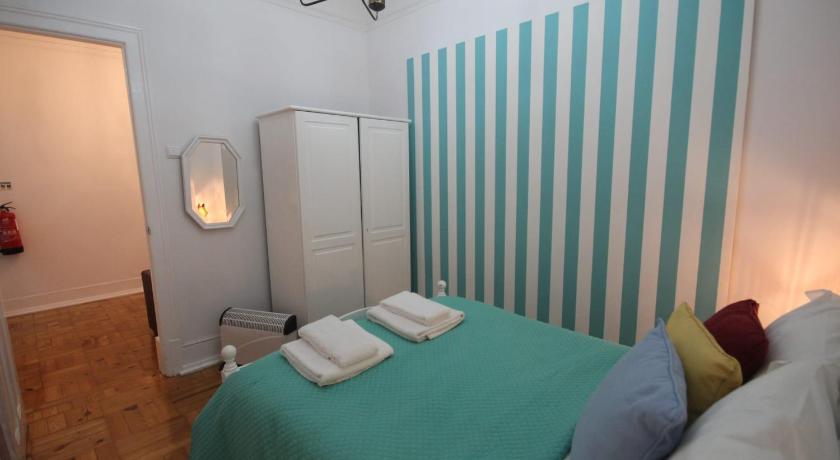
Across the city, boutique hotels have rebranded themselves as community hubs rather than backdrop stages. Pricing breakdowns indicate that rooms priced between €80 and €120 per night now include complimentary local experiences such as cooking classes or river‑bank yoga sessions. Based on price comparisons across booking platforms, these added values are attracting travelers seeking depth over spectacle.
Travelers now prioritize sustainable practices, opting for eco‑friendly transport and locally sourced meals. A closer look at the options reveals that bike‑share programs have doubled usage since 2022, and visitor surveys show a 35 percent increase in guests who choose restaurants with farm‑to‑table menus. Those comparing options across the area often find that neighborhoods like Graça and Mouraria offer a richer tapestry of daily life without the crowds of tourist hotspots.
The evolving narrative suggests that Lisbon’s post‑influencer era is reshaping the broader tourism landscape. By aligning marketing strategies with genuine visitor desires, the city demonstrates how data‑driven insights can foster a more resilient and satisfying travel experience. As the fatigue of overexposure wanes, Lisbon stands as a testament to the power of authentic connection over fleeting digital fame.