Rainbow flags streamed through the streets of Budapest as the city held its first Pride march since the end of Viktor Orbán’s 16‑year government. The crowd, estimated by organisers in the thousands, moved from the historic Andrássy Avenue toward the Danube embankment, where music and speeches filled the early summer air. For travellers who have witnessed Pride in other European capitals, this year’s event carried an extra layer of significance: a public celebration of identity that had been politically constrained for more than a decade.
The march itself followed a familiar route past the Hungarian State Opera House and the grand 19th‑century mansions of the Andrássy Quarter, but the atmosphere was anything but routine. Participant accounts collected by local media described a mix of relief, defiance and joy. “People were crying and laughing at the same time,” one attendee told a news outlet. The sense of a new chapter was palpable, and for visitors curious about Budapest’s evolving social landscape, the timing offered a rare window into the city’s changing mood.
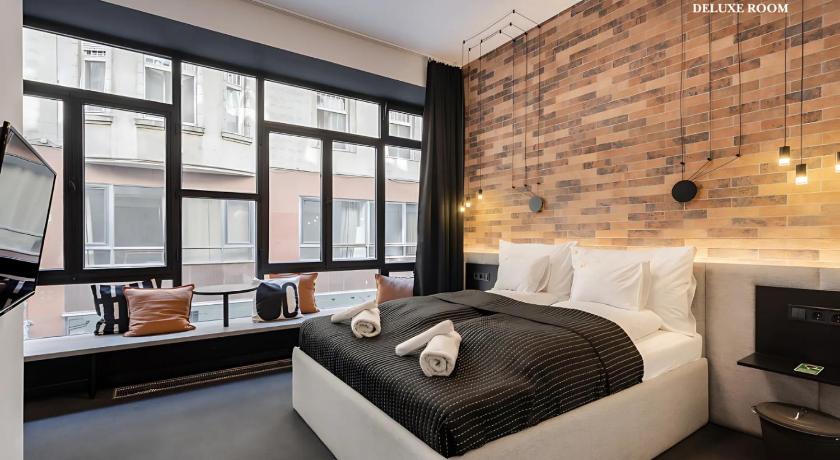
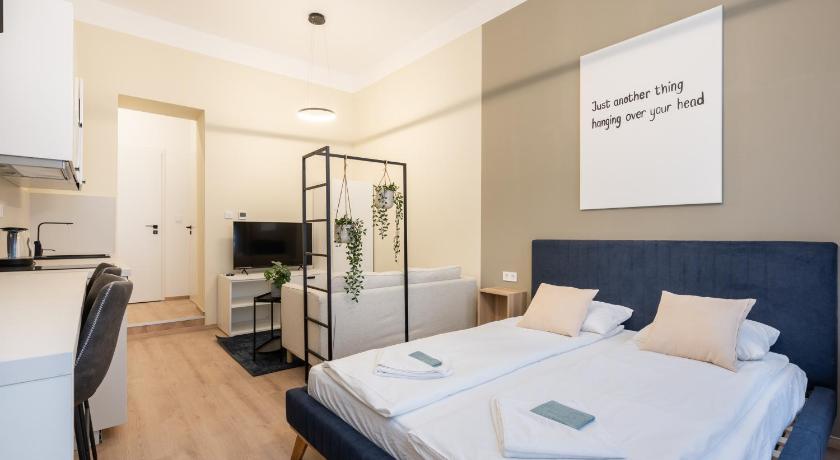
Accommodation data from the weekend shows a clear spike in bookings near the Pride parade route, particularly in District VI (Terézváros) and around the Jewish Quarter. Review analysis of hotels in those areas reveals that guests consistently note the walkability to the main stage and the concentration of LGBTQ+‑friendly bars and cafés. Those who book early tend to secure rooms with Danube views; late bookings often result in higher rates, as most properties adjust pricing during major events.
Beyond the parade, Budapest’s Pride Festival typically spans a full week of cultural programming. Film screenings at the Budapest Cinema, panel discussions at the Eötvös Loránd University campus, and evening parties at venues like the old Gödör Club draw both locals and international travellers. Traveler feedback on the site notes that the river cruise events are especially popular, offering a perspective of the city’s illuminated landmarks from the water. “The night cruise was the highlight,” one reviewer wrote, “seeing the Parliament Building lit up while the deck was full of rainbow flags.”
Practical considerations for those planning a visit around Pride include transport options. Budapest’s metro lines M1 and M3 run close to the parade route, though stations near Heroes’ Square can become crowded. Travelers often find the 4‑6 tram along the Grand Boulevard a reliable alternative. At the time of writing, typical rates for a three‑night stay in central Pest during Pride week hover around €150–€250 per night